
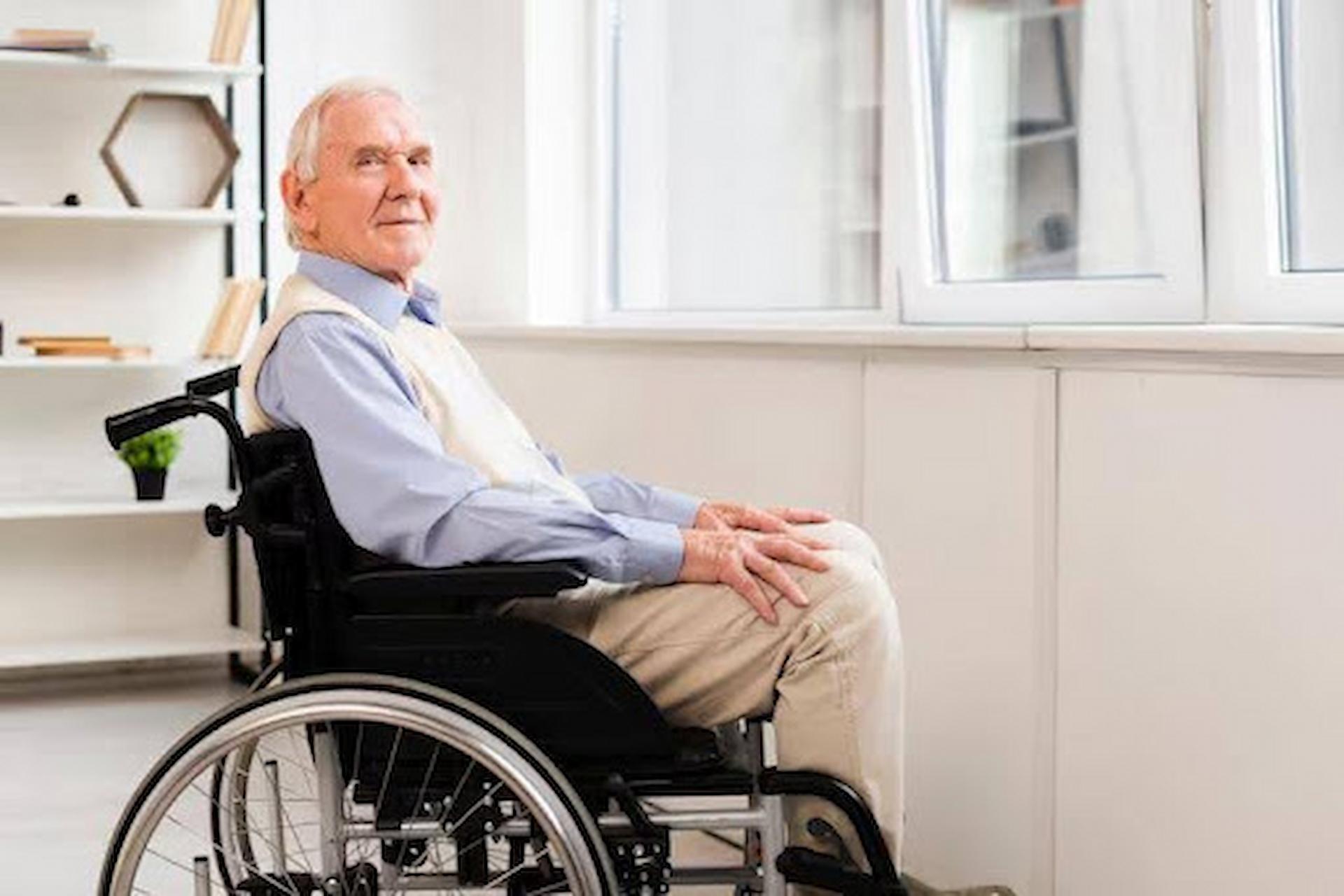
A secure care home is built on more than basic precautions—it relies on careful planning, trained staff, and environments designed around residents’ needs. Clear walkways, secure entry systems, attentive staff, and well-designed living spaces all work together to reduce risk and prevent accidents. When protection is balanced with independence, residents feel both safe and respected. Keep reading to see what truly defines a safe care home environment.
Creating a safe care environment is one of the most important responsibilities in elderly and assisted living services. Families want reassurance that their loved ones are protected at all times, while residents themselves need spaces that support independence without unnecessary risk. In a care home in Guildford, safety is not a single feature—it is a carefully managed system that shapes everyday life.
A secure environment allows residents to move freely, rest comfortably, and take part in daily activities with confidence. It also reduces stress for families and staff by preventing avoidable incidents. From building design to staff awareness, safety in care homes depends on consistent attention to detail and a clear understanding of residents’ changing needs. When done well, safety becomes part of normal living rather than a visible restriction.
Why Safety Is Central to Quality Care
Safety directly influences physical health, emotional wellbeing, and trust. Older adults are more vulnerable to falls, confusion, and mobility challenges, making supportive surroundings essential.
A safe care home environment helps to:
- Reduce injuries and hospital admissions
- Support residents with limited mobility or memory loss
- Encourage independence within clear boundaries
- Provide families with confidence and reassurance
According to UK health data, falls remain one of the most common causes of injury among older adults. Many of these incidents are preventable through good layout design, supervision, and routine checks. Safety is therefore not a one-time measure but an ongoing commitment.
Designing Spaces That Reduce Risk
Layouts That Support Movement
The physical layout of a care home plays a major role in everyday safety. Clear walkways, wide corridors, and logical room placement help residents move around without confusion or strain. Flooring should be even and non-slip, with changes in surface clearly marked to avoid trips.
Good lighting is equally important. Bright, consistent lighting reduces shadows that can cause disorientation, especially for residents with reduced vision. Night-time lighting in corridors and bathrooms supports safe movement without disturbing rest.
Secure but Welcoming Rooms
Resident rooms must balance comfort with protection. Furniture should be stable, easy to use, and arranged to allow free movement. Bed heights, chair support, and accessible storage all contribute to daily safety.
Bathrooms require special attention. Grab rails, walk-in showers, and non-slip mats reduce the risk of falls. These features allow residents to maintain personal routines with dignity while limiting hazards.
Staff Awareness and Daily Safety Practices
Training That Makes a Difference
Well-trained staff are the backbone of any safe care environment. Training ensures carers can identify risks early and respond appropriately. This includes recognising changes in mobility, behaviour, or health that could increase the likelihood of accidents.
Staff also need clear procedures for emergency situations, such as falls or sudden illness. Calm, informed responses help protect residents and prevent situations from escalating.
Ongoing Observation and Support
Safety is reinforced through regular observation rather than constant restriction. Staff monitor residents discreetly, offering help when needed while respecting personal space. This approach supports independence while maintaining a protective environment.
Daily routines, such as medication support and mobility assistance, are also structured to reduce errors. Clear schedules and communication among staff help ensure consistency.
Technology Supporting Safer Care
Monitoring Without Intrusion
Modern care homes often use discreet technology to support safety. This can include sensor-based alerts that notify staff if a resident needs assistance or leaves a designated area. These systems enhance awareness without making residents feel watched.
Fire detection systems, emergency call buttons, and secure entry controls further strengthen safety. When combined with staff supervision, technology acts as an extra layer of protection rather than a replacement for human care.
Maintaining Privacy and Dignity
Any use of technology must respect personal dignity. Safety systems are designed to support residents, not limit them. Clear policies help ensure that monitoring is used responsibly and transparently.
Managing Health and Mobility Risks
Preventing Falls and Injuries
Falls prevention is a priority in care homes. This includes regular mobility assessments, suitable footwear, and assisted movement when required. Exercise and gentle physical activity also help maintain strength and balance, reducing long-term risk.
Equipment such as handrails, walking aids, and supportive seating is carefully chosen to match individual needs. Regular checks ensure everything remains in good condition.
Medication Safety
Medication management is another critical area. Clear storage, accurate records, and trained staff reduce the risk of missed or incorrect doses. These practices protect residents from avoidable complications and support overall wellbeing.
Creating a Culture of Safety
Clear Communication
Safety improves when everyone understands their role. Residents are encouraged to communicate concerns, while staff share information during handovers and reviews. Families are also kept informed, building trust and transparency.
Clear signage, simple instructions, and familiar routines help residents feel secure. Predictability reduces anxiety and supports safer daily movement.
Regular Reviews and Improvements
Care environments must adapt as residents’ needs change. Regular safety reviews identify new risks and allow adjustments to be made promptly. This proactive approach prevents small issues from becoming serious problems.
Practical Safety Tips for Families and Care Providers
- Ensure rooms are well-lit and free from clutter
- Check that mobility aids are correctly fitted and maintained
- Encourage open communication about comfort and concerns
- Review safety procedures regularly and update when needed
- Balance supervision with personal independence
These simple steps help create environments that feel supportive rather than restrictive.
A Secure Environment Builds Confidence and Trust
Safety in care homes is not about limiting freedom. It is about creating conditions where residents feel confident to live their daily lives without unnecessary fear. Thoughtful design, trained staff, and consistent routines all contribute to this balance.
Families considering a care home in Guildford often look beyond comfort and facilities. They want to know that safety is embedded into every aspect of care. When residents feel protected, they are more likely to engage socially, maintain routines, and enjoy a better quality of life.
Final Thoughts
A safe care environment is built through careful planning, awareness, and compassion. It requires more than policies—it depends on how people interact with spaces and with each other every day. When safety measures are thoughtfully applied, they fade into the background, allowing residents to focus on living rather than avoiding risk.
Choosing the right care home in Guildford means looking for a place where safety supports dignity, independence, and wellbeing. Families should feel confident asking questions, observing daily routines, and understanding how risks are managed. By prioritising secure environments, care homes create not only protection but also peace of mind—for residents, families, and staff alike.