
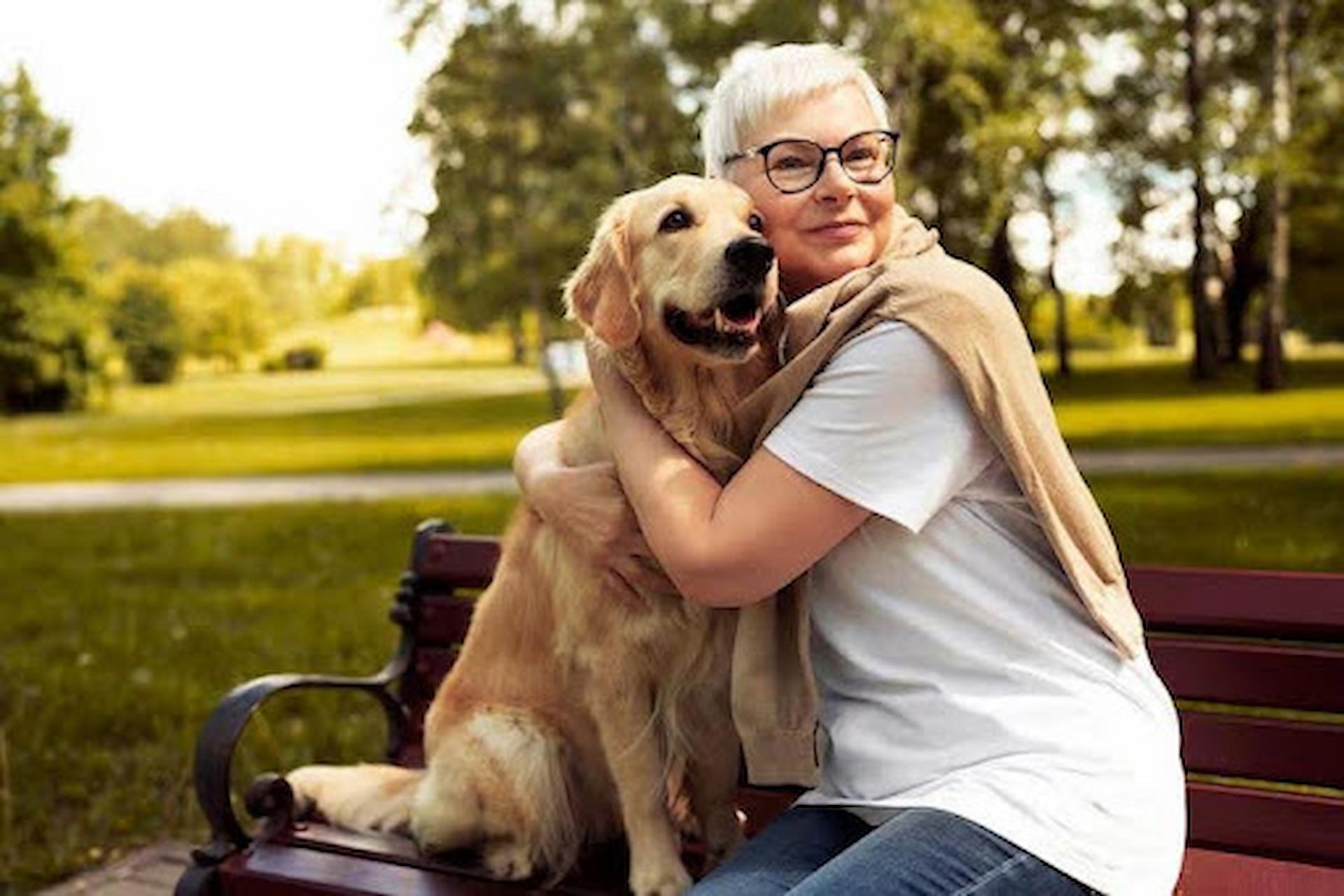
Pets bring a spark of joy and companionship to care homes, turning ordinary days into moments of laughter, comfort, and connection. For residents facing loneliness or limited mobility, these furry friends inspire conversation, movement, and a renewed sense of purpose—reminding everyone that small companions can make a big difference.
Care homes aim to create environments where residents feel safe, valued, and fully supported. For many older adults, daily life can bring emotional challenges such as loneliness, reduced social interaction, and limited opportunities for meaningful engagement. Bringing animals into these settings has proven to lift spirits, encourage activity, and enhance overall wellbeing.
At care communities in Waltham specialising in dementia care, pet-assisted interactions offer residents stability, familiarity, and emotional reassurance. Those experiencing confusion, agitation, or sudden mood changes often respond positively to time spent with calm, friendly therapy animals, fostering connections that are both comforting and therapeutic. This compassionate approach helps make everyday life in dementia care Waltham more engaging, supportive, and uplifting.
The Emotional Impact of Pet Companionship
Animals provide unconditional affection, and this emotional bond can dramatically improve mood and mental health. Research has shown that interaction with pets increases oxytocin (a hormone linked to bonding) while reducing cortisol (the body’s main stress hormone). These effects help residents feel more relaxed and secure.
Reduced Loneliness and Social Withdrawal
Human contact is essential, yet many residents feel isolated due to reduced mobility or communication challenges. A pet offers attention and interaction without overwhelming expectations. Stroking a dog or watching birds in a garden space can break silence and spark conversation among residents and caregivers.
Support for Memory and Cognitive Stimulation
For individuals living with dementia, sensory interaction—touching soft fur, hearing gentle animal sounds, or feeling rhythmic breathing—stimulates memory pathways. Therapists often report improved focus and responsiveness following short sessions of animal-assisted activity, making it easier for residents to participate in daily routines.
Physical and Health Benefits of Pets
Beyond emotional comfort, pets create opportunities for gentle exercise and increased independence. Even limited physical activity contributes to better long-term health.
Encouraging Movement
Residents may take short walks with trained therapy dogs, engage in stretching movements, or help with simple grooming tasks. These activities support:
- Improved balance and circulation
- Better hand-eye coordination
- Reduced muscle stiffness
A study cited in ageing and wellbeing research found that older adults who engage in animal-related activities showed higher levels of physical stamina and agility than those who did not participate in similar programmes.
Supporting Routine and Responsibility
Supporting a pet with feeding or brushing encourages a healthy daily rhythm. Many residents feel renewed purpose when given a task linked to caring for another living being. This sense of responsibility reinforces confidence and independence—two essential components of mental wellbeing.
Strengthening Social Interaction and Community Spirit
Pets naturally bring people together. When a therapy dog enters a communal lounge, residents often gather, talk, smile, and share stories. These shared moments make the care home environment more vibrant and connected.
Comfort During Stressful Moments
Medical appointments, changes in routine, and the transition into a care setting can be overwhelming. A calm animal companion offers distraction and emotional support, helping residents cope more comfortably. This is especially valuable in care environments supporting dementia care, where unfamiliar situations may trigger distress or fear.
Boosting Mental Resilience and Happiness
The companionship of animals can spark joy, humour, and creativity. Positive emotional experiences are powerful tools in supporting mental stability, especially for individuals facing chronic conditions, ageing limitations, or grief.
A Natural Source of Joy
Simple actions—like a dog placing its head on someone’s lap or a cat purring softly—generate smiles and laughter. These moments improve atmosphere and reduce tension, making care homes feel less clinical and more like home.
Enhancing Confidence
For residents who may feel disconnected from their previous lifestyle, interacting with a pet helps rebuild self-esteem. Memories of family pets, outdoor adventures, or routines from years past can inspire meaningful conversation, encouraging active participation and emotional expression.
How Care Homes Can Introduce Pet Engagement: Practical Strategies
Not every home can maintain full-time animals onsite, but there are many accessible ways to integrate the benefits of animal companionship.
Effective Ways to Incorporate Pet Interaction
- Partnership with therapy animal organisations to schedule regular visits.
- Pet-friendly outdoor spaces such as gardens where residents can interact with animals safely.
- Sensory animal sessions, including soft toy therapy animals for residents unable to handle real pets.
- Volunteer programmes where approved family pets visit residents under supervision.
These options allow care communities to tailor experiences based on space, needs, safety measures, and resident preferences.
Key Takeaways
- Pets reduce loneliness, anxiety, and stress, creating a comforting emotional atmosphere.
- Gentle animal-assisted activities encourage mobility and routine.
- Residents become more socially engaged and confident.
- Cognitive stimulation supports memory pathways, especially for people living with dementia.
- Introducing structured pet interaction strengthens community bonds within care settings.
Conclusion
Pets transform the rhythm and atmosphere of care homes, shifting them from quiet and isolated environments to warm, connected spaces filled with purpose and joy. Their presence reduces stress, builds community, and supports both emotional and physical wellness. For individuals supported through dementia care, pet engagement offers comfort, grounding, and meaningful connection at times when familiarity matters most. As care homes explore innovative ways to enhance quality of life, animal companionship stands out as a gentle yet profoundly effective approach. It reminds us that wellbeing is not just about medical care—it is about love, laughter, and feeling seen and valued.
Care providers, families, and decision-makers can make an extraordinary difference by supporting structured pet-assisted programmes that bring hope and happiness into everyday living.
 Charle Smith