
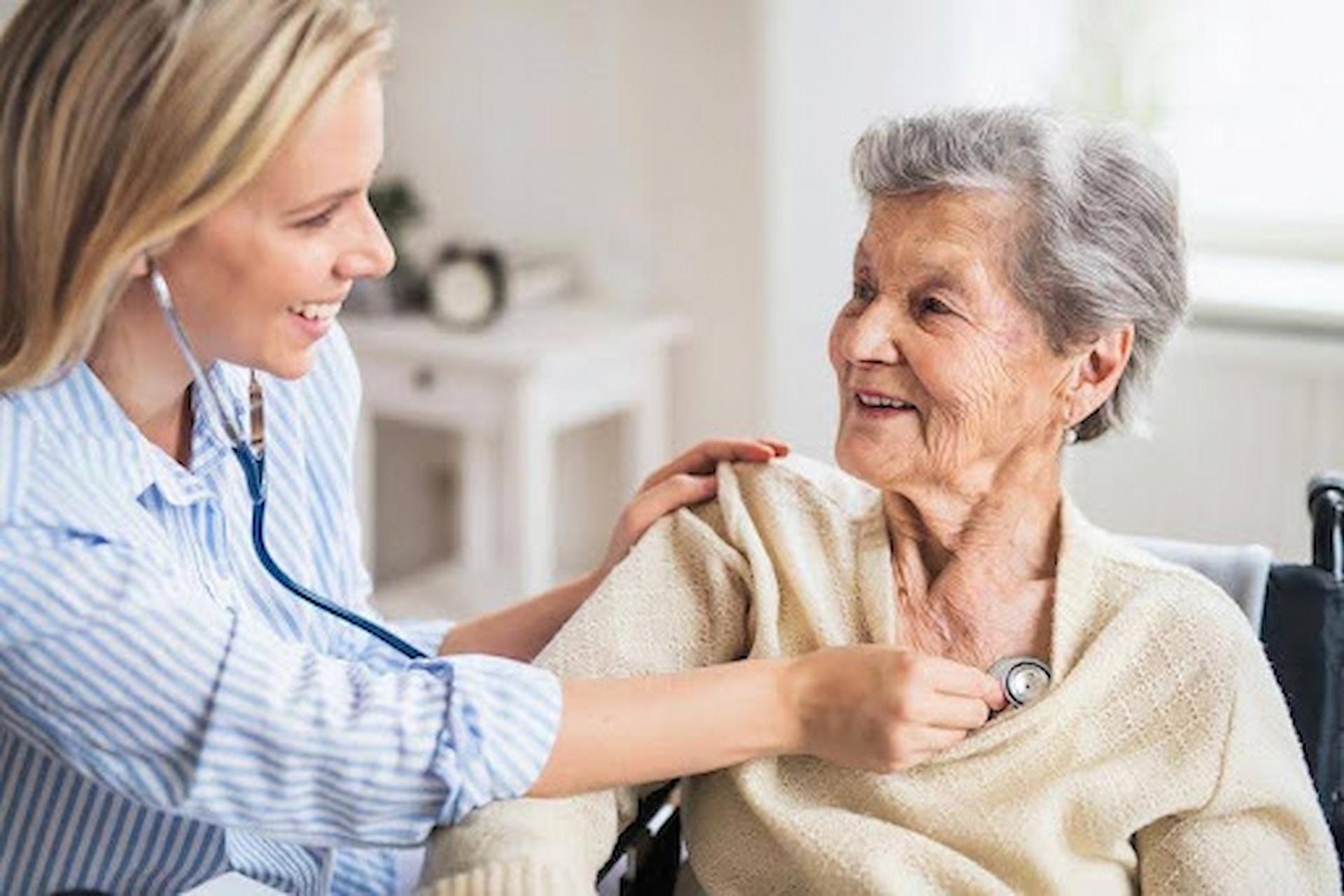
Skilled and well-trained staff are essential for delivering safe, compassionate, and consistent care in care homes. Structured training programs that cover clinical skills, dementia care, safeguarding, and communication ensure staff can meet residents’ individual needs with confidence and precision. Ongoing professional development and practical guidance empower teams to provide reliable, person-centred support every day, improving both resident wellbeing and overall care standards.
Staff training is the engine that drives safe, compassionate, and consistent care. In residential settings, every interaction, decision, and response depends on how well carers are prepared for their roles. In respected settings such as care homes in Chingford, training is not treated as a formality but as an ongoing commitment to excellence. When staff understand expectations, policies, and care values from the outset, they are better equipped to deliver dignified, person-centred support. A well-designed training approach also strengthens compliance, reduces operational risk, and creates a stable workforce capable of adapting to changing care needs with confidence and professionalism.
Establishing Clear Expectations from the First Day
A strong training foundation begins before a staff member completes their first shift. Early learning must provide clarity around responsibilities, professional boundaries, and daily routines. When expectations are defined clearly, staff feel more secure and less overwhelmed. This clarity allows carers to focus on residents rather than uncertainty. Effective early training also reinforces accountability, ensuring staff understand how their actions contribute to overall care quality. By setting a clear standard from day one, care homes reduce errors and encourage confident decision-making.
Embedding Care Values into Everyday Practice
Training is most effective when it goes beyond procedures and policies. Care values such as dignity, respect, privacy, and compassion must be consistently reinforced through learning. These principles guide how staff communicate, respond to needs, and support emotional wellbeing. When values are embedded into training, they become part of everyday behaviour rather than abstract concepts. This approach ensures residents experience continuity, familiarity, and trust in their daily care, strengthening relationships and emotional security.
Strengthening Safety Through Knowledge and Awareness
Safety-focused training protects both residents and staff. A well-informed workforce understands how to manage risks, recognise safeguarding concerns, and respond appropriately to emergencies. Training must reinforce vigilance, responsibility, and awareness without creating fear or hesitation. When staff feel prepared, they act decisively and calmly under pressure. This confidence reduces incidents, supports compliance, and reinforces a culture where safety is prioritised as part of routine care rather than reactive response.
Developing the Skills That Support Individualised Care
Person-centred care requires sensitivity, observation, and adaptability. Training should equip staff with the skills needed to recognise individual preferences, routines, and communication needs. When carers understand how to adjust their approach to suit each resident, care feels personal rather than standardised. This skill development improves emotional wellbeing and helps residents maintain a sense of independence and identity. Well-trained staff are more responsive, attentive, and capable of supporting residents in a way that feels respectful and reassuring.
Continuous Learning as a Core Operational Standard
Care standards evolve, and staff knowledge must evolve with them. Ongoing training ensures teams remain aligned with current guidance, internal policies, and best practice expectations. Regular learning reinforces consistency across shifts and roles, preventing gaps in knowledge from affecting care quality. Continuous development also supports staff confidence and retention, demonstrating that professional growth is valued. In progressive environments like care homes in Chingford, ongoing training is viewed as essential to long-term quality rather than an occasional obligation.
Translating Training into Confident Daily Practice
Training only delivers value when it is applied correctly. Supervision and observation play a vital role in ensuring knowledge translates into safe, effective care. When staff receive clear guidance and constructive feedback, they refine their skills and build confidence. This process supports accountability without discouragement. Consistent oversight also allows care homes to identify areas where additional support or clarification may be needed, ensuring standards are upheld across all levels of care delivery.
Leadership Influence on Training Effectiveness
Leadership sets the tone for how training is perceived and prioritised. When managers actively support learning, staff engagement improves. Clear communication, approachability, and consistency from leadership reinforce the importance of training in daily operations. Leaders who demonstrate commitment to standards through their own actions strengthen trust and credibility. This alignment ensures training is respected as a core operational pillar rather than a compliance exercise.
Adapting Training Through Insight and Review
Effective training programmes are responsive rather than fixed. Regular review allows care homes to refine learning content based on operational insights and staff feedback. Monitoring outcomes such as incident trends, compliance audits, and performance indicators helps identify strengths and gaps. Updating training ensures relevance and accuracy while supporting continuous improvement. This adaptability keeps learning aligned with real care demands rather than outdated assumptions.
Creating a Culture Where Learning Is Shared and Valued
The strongest care teams operate within a culture that values learning and accountability. When staff feel supported rather than judged, they are more open to improvement. Training becomes part of everyday conversation rather than a separate task. This environment encourages shared responsibility, professional pride, and consistent standards. Over time, a learning-focused culture strengthens team cohesion and enhances resident experience.
Frequently Asked Questions on Staff Training in Care Home Settings
How often should care home staff receive training updates?
Care home staff should receive training updates regularly to remain compliant and competent. Mandatory subjects such as safeguarding, health and safety, and infection control typically require annual refreshers, while role-specific skills may need more frequent review. Continuous updates ensure staff remain aligned with evolving regulations, internal policies, and resident care needs, reducing risk and maintaining consistent care quality.
Why is ongoing training important beyond initial induction?
Initial induction provides essential foundations, but ongoing training ensures staff can adapt to changing care requirements and updated standards. As resident needs evolve, continuous learning helps staff respond appropriately and confidently. Regular training also reinforces best practice, improves decision-making, and prevents skill gaps that could compromise safety or care quality over time.
How does staff training impact resident wellbeing?
Effective training directly influences resident wellbeing by improving safety, consistency, and emotional support. Well-trained staff communicate more clearly, recognise individual needs, and respond calmly to challenges. This creates a stable and reassuring environment where residents feel respected, understood, and supported in their daily routines, contributing to better overall quality of life.
What role does leadership play in successful staff training?
Leadership plays a crucial role by setting expectations, supporting learning, and reinforcing accountability. When managers actively engage with training programmes, staff are more likely to take learning seriously. Strong leadership ensures training is applied consistently, encourages open communication, and fosters a culture where professional development is valued rather than treated as a formality.
How can care homes ensure training leads to real improvements in care?
Training must be reinforced through supervision, observation, and feedback to ensure it translates into daily practice. Regular reviews, performance monitoring, and open communication help identify whether learning outcomes are being achieved. When training is aligned with operational goals and reviewed continuously, it leads to measurable improvements in care delivery and staff confidence.
Is staff training only about meeting regulatory requirements?
While compliance is essential, effective staff training goes far beyond regulation. It supports professional growth, improves morale, and strengthens care culture. Training equips staff to deliver person-centred care, manage risks responsibly, and uphold dignity and respect, making it a core driver of long-term care quality rather than a compliance exercise.
Conclusion
Staff training is not a one-time requirement but a continuous investment in care quality, safety, and trust. From early role clarity to ongoing professional development, training shapes how care is delivered every day. It supports confident decision-making, strengthens compliance, and ensures residents receive consistent, respectful support. Care homes that prioritise structured, evolving training create resilient teams capable of meeting complex needs with professionalism. In established settings such as care homes in Chingford, training is embedded into the fabric of daily operations, reinforcing standards and safeguarding wellbeing. By committing to ongoing learning, care homes protect residents, empower staff, and sustain high-quality care for the long term.